

Poor bone health has a devastating impact in the UK in terms of disease morbidity and mortality, as well as the financial and social costs.
The briefing summarises how smoking is a risk factor for poor bone health, and describes the benefits of stopping.
Date of last review: May 2026
A fully updated NCSCT briefing on combination NRT, including the latest research evidence and clinical good practice.
The original NCSCT briefing on combination NRT was written in 2012 because, despite good evidence on safety and efficacy, obtaining support and funding for combination NRT was often difficult. Since that time, clinical experience and evidence regarding the role of combination NRT in increasing quit rates has grown and it has now been established as standard treatment.
This updated briefing is intended as a resource for commissioners, managers and staff of stop smoking services and summarises the latest evidence and practice guidance related to combination NRT.
Date of last review: November 2025
This briefing addresses the cost-effectiveness of smoking cessation interventions.
Analysis shows that when smoking cessation interventions are effective they are invariably also cost-effective. This is also the case for pharmacotherapy for smoking cessation, including nicotine replacement therapy (NRT), bupropion (Zyban) and varenicline (Champix).
Indeed, findings from economic analyses from the UK and elsewhere confirm that smoking cessation interventions, including pharmacotherapy, are among the most cost-effective health care interventions available.
Whilst smoking cessation interventions remain highly cost-effective, this briefing uses data that is no longer up-to-date. It remains accessible in our archive.
The aim of this project was to test a streamlined, systematic and robust referral system in one acute trust that would increase the referral of smokers to appropriate stop smoking support.
The Routes to Quit (RtQ) model was developed to try and encourage a greater number of smokers, even if they are not ready to stop in the near future, to access services and engage with an evidence based form of support.
In order to test the RtQ model three pilot areas were established, the findings from which are detailed within the final report.
Smoking reduction – cutting down the cigarettes smoked per day – is common in the UK.
However, the amount that people cut down by is relatively small and there is little evidence to suggest that reducing cigarette consumption in itself has a positive effect on smoking-related outcomes.
Whilst unaided smoking reduction has not been reliably shown to increase quit attempts or smoking cessation rates, there is good evidence that the provision of NRT to people who cut down their cigarette consumption results in longer, substantial decreases in cigarette consumption and improves their chances of stopping smoking completely.
Date of last review: December 2025
When varenicline first became available in the UK in 2006, there was reporting on the incidence of cardiovascular serious adverse events among those using the medication and a call to evaluate the association of these events with its use.
Two meta-analyses have reviewed existing evidence. Whilst findings were not uniform, based on the findings of these reviews, the risk of cardiovascular events associated with the use of varenicline is judged to be minimal and clinically insignificant.
This document was written in 2013 about, and based upon evidence from research investigating, Champix. Generic versions of varenicline are now available and the evidence in this briefing, and the conclusions drawn, are equally applicable to generic varenicline.
Note: The recent changes to the varenicline Summary of Product Characteristics (SPC) do not substantially change the points raised in this briefing nor the advice that it is safe and effective.
Date of last review: March 2026
It is well established that the social environment influences smoking initiation and maintenance, as well as smoking cessation.
Observational studies investigating the natural progression towards smoking cessation show that social support is clearly associated with abstinence. Positive social support generally increases the likelihood of successfully stopping smoking, and negative social support undermines it.
Date of last review: December 2025
Despite the evidence on safety and efficacy, getting local medicines management and prescribers to accept varenicline as an equal first-choice treatment option was in some cases difficult.
This briefing, first published in 2013, was intended as a resource for commissioners, managers and staff of stop smoking services and is set out as answers to a series of questions.
This document was written about, and based upon evidence from research investigating, Champix. Generic versions of varenicline are now available and the evidence in this briefing, and the conclusions drawn, are equally applicable to generic varenicline.
Date of last review: November 2025
Using stop smoking services is three times as effective as making an unassisted quit attempt
Variable short-term quit rates amongst stop smoking services, plus evidence from two studies, has led to a review of the claim that: "People who smoke are up to four times more likely to succeed with the English stop smoking services than if they try to quit unaided."
The best evidence now shows that using stop smoking services is three times as effective as making an unassisted quit attempt.
This briefing provides the basis for this new, revised claim.
Date of last review: June 2026
Weight gain is a common consequence of stopping smoking but many experts in smoking cessation play this down - often, the advice given to clients about possible weight gain and weight management strategies are inaccurate.
The aim of this briefing is to summarise the evidence for practitioners, making clear where there are uncertainties.
It is based on Medline searches, examination of systematic reviews, a Cochrane review on preventing weight gain on smoking cessation, and clinical experience.
Date of last review: September 2025
A standardised consent form allowing client data to be used for research and service evaluation purposes.
This validated questionnaire assesses the severity of clients' withdrawal symptoms and the strength and frequency of their urges to smoke (a reliable measure of tobacco dependence).
This questionnaire allows for an assessment of levels of physical activity.
In an attempt to encourage and improve the provision of stop smoking support within hospitals the Department of Health in England in 2009 developed guidance for primary care trusts and their corresponding local hospitals. Local areas were invited to pilot the ‘Stop Smoking Interventions in Secondary Care’ system as outlined within the guidance, which aimed to support the development of systematic and sustainable stop smoking interventions in secondary care settings.
The NCSCT Training Standard was replaced in 2026 by the Competency framework for stop smoking practitioners
This document lists the learning outcomes of training courses for stop smoking practitioners founded upon evidence-based behaviour change techniques and approved by a panel of key stakeholders and experts convened by the NCSCT.
This current version was updated in 2018.
This document describes the components of a structured individual face-to-face smoking cessation intervention.
The Standard Treatment Programme (STP) is designed to complement the online resources provided by the NCSCT and to act as a guide to stop smoking practitioners' interactions with individuals who smoke.
This version of the Standard Treatment Programme was updated in October 2019. We are currently in the process of revising the STP to incorporate the Cut Down to Stop (CDTS) option.
An adapted Standard Treatment Programme (STP) for NHS Community Pharmacy Smoking Cessation Service available here.
Published in 2019 (3rd Edition)
This guidance provides a set of generic principles that can be used as the basis for planning, delivering and evaluating public health activities aimed at changing health-related behaviours. The guidance should be read in conjunction with other topic-specific public health guidance issued by NICE. Elements of this guidance may be due for revision as it is within NICE's schedule for review.
NICE Public health guideline [PH6] Behaviour change: general approaches
The purpose of this review was to determine if an intervention to enhance partner support helps smoking cessation when added as an adjunct to a smoking cessation programme.
Click on the link below to access the review.
Enhancing partner support to improve smoking cessation
To determine whether exercise-based interventions alone or combined with a smoking cessation programme are more effective than a smoking cessation intervention alone.
Click on the link below to access the review.
Exercise interventions for smoking cessation
To determine the effects of smoking cessation programmes delivered in a group format compared to self-help materials, or to no intervention; to compare the effectiveness of group therapy and individual counselling; and to determine the effect of adding group therapy to advice from a health professional or to nicotine replacement.
Click below to access the review.
Group behaviour therapy programmes for smoking cessation
The objective of the review is to determine the effects of individual counselling. Click on link below to access the review.
Click below to access the review.
Individual behavioural counselling for smoking cessation
To determine the effectiveness of Internet-based interventions for smoking cessation.
Click on link below to view review.
Internet-based interventions for smoking cessation
To assess the effects of smoking cessation interventions during pregnancy on smoking behaviour and perinatal health outcomes.
Click below to access the review.
Psychosocial interventions for supporting women to stop smoking in pregnancy
To determine whether mobile phone-based interventions are effective at helping people who smoke, to quit.
Click below to access review.
Mobile phone text messaging and app-based interventions for smoking cessation
To assess the effectiveness of psychosocial interventions such as behavioural therapeutic intervention, telephone support and self-help interventions in helping people with coronary heart disease (CHD) to quit smoking.
Click on link below to access the review.
Psychosocial interventions for smoking cessation in patients with coronary heart disease
To assess whether specific interventions for relapse prevention reduce the proportion of recent quitters who return to smoking.
Click on link below to access review.
Relapse prevention interventions for smoking cessation
The aims of this review were to determine the effectiveness of different forms of self-help materials, compared with no treatment and with other minimal contact strategies; and the effectiveness of approaches tailored to the individual compared with non-tailored materials.
Click below to access the review.
Print-based self-help interventions for smoking cessation
To determine the effectiveness of smoking cessation interventions in people with COPD.
Click on link below to access review.
Smoking cessation for chronic obstructive pulmonary disease 2009
To evaluate the effect of proactive and reactive telephone support via helplines and in other settings to help smokers quit.
Click on link below to access review.
Telephone-counselling for smoking cessation
The aim of this review is to assess the effect of antidepressant medications to aid long-term smoking cessation.
Click on link below to access full review.
Antidepressants for smoking cessation
The aim of this review is to assess the effectiveness of interventions aiming to increase adherence to medications for smoking cessation on medication adherence and smoking abstinence.
Click on the link below for the full review.
Interventions to increase adherence to medications for tobacco dependence
The aim of this review is to assess the effect of combining behavioural support and pharmacotherapies in helping people to stop smoking. The review also examines if treatment effects vary depending on the setting, community vs. healthcare settings.
Click below to access the review.
Combined pharmacotherapy and behavioural interventions for smoking cessation
The review reports on the effectiveness of different forms, deliveries and doses and durations of NRT for smoking cessation.
Click on link below to access this review.
Different doses, durations and modes of delivery of nicotine replacement therapy for smoking cessation
The objective of this review was to compare how first-line and second-line pharmacotherapies compare with one another in terms of efficacy in supporting long term abstinence and risk of adverse events. The review covers nicotine replacement therapy (NRT), antidepressants (bupropion and nortriptyline), nicotine receptor partial agonists (varenicline and cytisine), anxiolytics, selective type 1 cannabinoid receptor antagonists (rimonabant), clonidine, lobeline, dianicline, mecamylamine, Nicobrevin, opioid antagonists, nicotine vaccines, and silver acetate.
Click on link below to access review.
Pharmacological interventions for smoking cessation: an overview and network meta-analysis
The primary objective of this review is to assess the efficacy and tolerability of nicotine receptor partial agonists, including varenicline and cytisine, for smoking cessation.
Click on link below to access review.
Can medications like varenicline and cytisine (nicotine receptor partial agonists) help people to stop smoking and do they cause unwanted effects?
The aims of this review were: to determine the effect of NRT compared to placebo in aiding smoking cessation; to consider whether there is a difference in effect for the different forms of NRT; whether the effect is influenced by the dosage, form and timing of use of NRT; if combinations of NRT are more likely to lead to successful quitting than one type alone and whether NRT is more or less likely to lead to successful quitting compared to other pharmacotherapies.
Click on link below to access review.
Nicotine replacement therapy versus control for smoking cessation
To evaluate the efficacy and safety of quit smoking pharmacotherapies in pregnancy.
Click below to access full review.
Pharmacological interventions for promoting smoking cessation during pregnancy
To assess the effectiveness of community interventions for reducing the prevalence of smoking.
Click on link below to access review.
Community interventions for reducing smoking among adults
This review assessed the effectiveness of interventions by community pharmacy personnel to assist clients to stop smoking.
Click on the link below to access review.
Community pharmacy personnel interventions for smoking cessation
To determine the effectiveness of interventions aiming to reduce exposure of children to ETS.
Click on link below to access full review.
Family and carer smoking control programmes for reducing children's exposure to environmental tobacco smoke
To determine the effectiveness of nursing-delivered smoking cessation interventions.
Click on link below to access review:
Nursing interventions for smoking cessation
The aims of this review were to assess the effectiveness of advice from physicians in promoting smoking cessation; to compare minimal interventions by physicians with more intensive interventions; to assess the effectiveness of various aids to advice in promoting smoking cessation, and to determine the effect of anti-smoking advice on disease-specific and all-cause mortality.
Click on link below to access review:
Physician advice for smoking cessation
To determine whether competitions such as quit and win can deliver higher long-term quit rates than baseline community quit rates.
Click on link below to access review.
Competitions for smoking cessation
To review all randomized controlled trials of behavioural interventions in schools to prevent children (aged 5 to12) and adolescents (aged 13 to18) starting smoking.
Click on link below to access review.
School-based programmes for preventing smoking
To determine the efficacy of biomedical risk assessment provided in addition to various levels of counselling, as a contributing aid to smoking cessation.
Click on the link below to access the review.
Biomedical risk assessment as an aid for smoking cessation
To evaluate the efficacy of hypnotherapy for smoking cessation.
Click on the link below to access the review:
Hypnotherapy for smoking cessation
The objective of this review was to assess the effect of preoperative smoking intervention on smoking cessation at the time of surgery and 12 months post-operatively and on the incidence of postoperative complications.
Click on the link below to access the review:
Interventions for preoperative smoking cessation
The objective of this review was to assess the effects of any type of smoking cessation programme for patients admitted to an acute care hospital.
Click on the link below to access the review:
Interventions for smoking cessation in hospitalised patients
The aim of this factsheet is to describe the clinical case for providing stop smoking support for cardiovascular patients in secondary care and the best practices for intervening with CVD patients who smoke in hospital settings.
Fully updated in 2020.
The aim of this factsheet is to describe the relationship between smoking and diabetes and to present the health benefits of stopping smoking for diabetic patients, including how to approach this in secondary care.
Fully updated in 2020.
The aim of this factsheet is to describe the relationship between smoking and cancer, as well as make the case for providing stop smoking support to oncology patients in both inpatient and outpatient settings.
Fully updated in 2020.
The aim of this initiative is to provide clinical support for temporary abstinence with a view to prompting a permanent quit.
The aim of this factsheet is to provide clinical case to support temporary abstinence with a view to prompting a permanent quit in parents or carers of paediatric patients.
Fully updated in 2020.
The aim of this factsheet is to provide clinical case to support smoking abstinence among pregnant women and best practices for supporting women with quitting in secondary care.
Fully updated in 2020.
The aim of this factsheet is to describe the relationship between smoking and respiratory conditions (asthma, COPD, respiratory infections), as well as make the case for providing stop smoking support to respiratory patients in secondary care.
Fully updated in 2020.
The aim of this factsheet is to describe the relationship between smoking and surgical outcomes. This sheet makes the case to provide surgical patients who smoke with support for temporary abstinence with a view to prompting a permanent quit using evidence-based stop smoking support.
To gain maximum benefit, a quit attempt needs to begin at least 8 weeks before surgery and lead to permanent quitting.
Fully updated in 2020.
The aim of this factsheet is to describe the relationship between smoking and wound healing and make the case to support for temporary abstinence with a view to prompting a permanent quit using evidence-based stop smoking support.
Fully updated in 2020.
The aim of the document is to set out an English national standard for criteria for throughput and success rates that will enable meaningful comparisons between the services.
A questionnaire containing key items to help find out about client satisfaction with stop smoking services.
Please click on the links below to access the full Summary of Product Characteristics (SPC) where you can find all the information on usage, side effects and drug interactions.
Nicorette products
Click on the links below to open the full SPC in a new tab:
Nicorette 2mg gum
Nicorette 4mg gum
Nicorette Fruit Fusion 2mg Gum
Nicorette Fruit Fusion 4mg Gum
Nicorette Freshmint 2mg Gum
Nicorette Freshmint 4mg Gum
Nicorette Icy White 2mg Gum
Nicorette Icy White 4mg Gum
Boots products
Boots NicAssist Minty Fresh 2mg Gum
Boots NicAssist Minty Fresh 4mg Gum
Boots NicAssist Ice Mint 2mg Gum
Boots NicAssist Ice Mint 4mg Gum
Boots NicAssist Fruit Fresh 2mg Gum
Boots NicAssist Fruit Fresh 4mg Gum
Nicotinell products
Click on the links below to open the full SPC in a new tab:
Nicotinell Mint 2mg Medicated Gum
Nicotinell Mint 4mg Medicated Gum
Nicotinell Fruit 2mg Medicated Gum
Nicotinell Fruit 4mg Medicated Gum
NiQuitin products
Perrigo has taken ownership of NiQuitin from GSK. Perrigo do not subscribe to EMC and so these PDFs of the SPCs are from the MHRA site. You should go to the MHRA website to make sure that you have access to any updates to these SPCs.
The NCSCT is a social enterprise committed to:
Please click on the links below to access the full Summary of Product Characteristics (SPC) where you can find all the information on usage, side effects and drug interactions.
Nicorette products
Nicorette Invisi 10mg Patch
Nicorette Invisi 15mg Patch
Nicorette Invisi 25mg Patch
Boots products
Boots NicAssist Translucent 10mg Patch
Boots NicAssist Translucent 15mg Patch
Boots NicAssist Translucent 25mg Patch
Nicotinell products
Nicotinell TTS 10 (7mg)
Nicotinell TTS 20 (14mg)
Nicotinell TTS 30 (21mg)
NiQuitin products
Perrigo has taken ownership of NiQuitin from GSK. Perrigo do not subscribe to EMC and so these PDFs of the SPCs are from the MHRA site. You should go to the MHRA website to make sure that you have access to any updates to these SPCs.
Access links to the most recent statistics on tobacco use and smoking cessation.
ENGLAND
NHS Digital – Statistics on Smoking
NHS Digital – Statistics on Local Stop Smoking Services
Public Health England – Local Tobacco Control Profiles
Smoking Toolkit
IRELAND
Cigarette Smoking Prevalence in Ireland
NORTHERN IRELAND
Tobacco Statistics
SCOTLAND
Smoking Cessation
Scottish Public Health Observatory – Tobacco Use
WALES
NHS Wales - Smoking
It is important that NCSCT activities are founded on the best possible evidence of need for these activities, the nature of those activities, and the effectiveness of these activities.
Academic links
The research activities of the NCSCT were originally carried out by a team of experts at University College London. This programme of work was led by Professor Susan Michie and Professor Robert West along with a team including Dr Andy McEwen, Dr Emma Beard, Dr Leonie Brose (Institute of Psychiatry) and Dr Fabiana Lorencatto (City University).
Below we list NCSCT publications and their main findings.
Advice on service provision
It is important that NCSCT research evaluating our training and assessments programme, and into the delivery of behavioural support, is published in peer-reviewed academic and clinical journals. This ensures that we can be confident that what we do is based upon evidence.
The following is a list of our publications to date:
Please click on the links below to access the full Summary of Product Characteristics (SPC) where you can find all the information on usage, side effects and drug interactions.
Nicorette products
Nicorette Cools 2mg Lozenge
Nicorette Cools 4mg Lozenge
Nicorette Fruit 2mg Lozenge
Boots products
Boots NicAssist 1mg compressed lozenge
Boots NicAssist 2mg compressed lozenge
Nicotinell products
Nicotinell Mint 1mg Lozenge
Nicotinell Mint 2mg Lozenge
NiQuitin products
Perrigo has taken ownership of NiQuitin from GSK. Perrigo do not subscribe to EMC and so these PDFs of the SPCs are from the MHRA site. You should go to the MHRA website to make sure that you have access to any updates to these SPCs.
Please click on the link below to access the full Summary of Product Characteristics (SPC) where you can find all the information on usage, side effects and drug interactions.
Nicorette products
Nicorette Inhalator 15mg
Please click on the links below to access the full Summary of Product Characteristics (SPC) where you can find all the information on usage, side effects and drug interactions.
Nicorette products
Nicorette 2mg Microtab
Boots products
Boots NicAssist 2mg Microtab
Please click on the links below to access the full Summary of Product Characteristics (SPC) where you can find all the information on usage, side effects and drug interactions.
Nicorette products
Nicorette Nasal Spray
Boots products
Boots NicAssist Nasal Spray
Please click on the links below to access the full Summary of Product Characteristics (SPC) where you can find all the information on usage, side effects and drug interactions.
Nicorette products
QuickMist Mouth Spray 1mg
QuickMist Cool Berry Mouth Spray 1mg
Nicotinell products
Nicotinell Rapid Relief 1mg mouth spray
There is no difference between the Champix Summary of Product Characteristics (SPC) and the ones for generic varenicline. The SPCs are where you can find all the information on usage, side effects, and drug interactions of varenicline - and they are essential reading.
Link to SPC for Champix Initiation Pack: Champix Initiation Pack
Link to SPC for Champix 1mg Maintenance Pack: Champix 1mg Maintenance Pack
Link to SPC for Champix 0.5mg Maintenance Pack: Champix 0.5mg Maintenance Pack
The full Summary of Product Characteristics (SPC) for the Brown & Burk and Wave Pharma versions of varenicline are below:
This document suggests how the competences in the Standard Treatment Programme can be matched against a Knowledge and Skills Framework.
In 2010 the NCSCT was commissioned by the Department of Health to develop and test a robust methodology for the independent audit of local stop smoking service providers.
We developed a series of tools to complete this task, these are available via the links below:
To view the:
Stop smoking provider self-completion questionnaire, click
here;
Stop smoking service telephone audit script, click here;
Full listing of stop smoking service audit criteria, click here.
The full project report, which includes our evaluation of the project, is also available to read online –
We take your privacy very seriously and your data will only be used in accordance with the UK General Data Protection Regulation (UK GDPR) and the Data Protection Act 2018.
Our website, privacy and cookies policy below explains how we collect and use personal data from and about visitors to our website through browsing, purchasing items and registering to access online training courses through our website.
This policy does not apply to our face-to-face and virtual training courses; our Training Course Attendee Privacy Notice is available from enquiries@ncsct.co.uk and is given to everyone attending our face-to-face and virtual courses.
Our objective is to ensure that you are never surprised by how your personal data has been used by us. You are therefore encouraged to read the policies below. As we make changes to our website, we may need to update these and they are reviewed and updated annualy. If we make any important changes that affect your rights and interests, we will make sure we bring this to your attention and explain what this means for you.
If you have any questions in relation to this policy or wish to exercise any of your rights under data protection law, you should contact enquiries@ncsct.co.uk
In September 2012 NICE released the Tobacco Return on Investment Tool designed to help decision making in tobacco control at local and sub-national levels. The tool evaluates a portfolio of tobacco control interventions and models the economic returns that can be expected in different payback timescales.
To view the NICE ROI tool click here.
The NCSCT are working with NICE to host a practical event to support the application of the tool which will be held on Thursday 24th January at 15 Hatfields.
The aim of the event is to provide a step-by-step guide to using the tool and to highlight other related work currently underway.
The aim of this document is to provide clinicians and managers working in hospital with the clinical case to support patients to stop smoking while in hospital, even if this is just for a period of forced abstinence whilst admitted.
Fully updated in 2020.
This document explains how smoking affects the eye, and provides the clear clinical case for providing stop smoking support to ophthalmology patients.
This document looks at the relationship between smoking and neurological conditions and provides the clinical case for providing stop smoking support.
This factsheet explains how smoking affects the mouth and expands on why stop smoking support should be provided to dental patients.
Fully updated in 2020.
This documents examines the relationship between smoking and stroke, the benefits of quitting on stroke and health outcomes, and best practices for delivering stop smoking interventions to stroke patients in secondary care.
Fully updated in 2020.
This factsheet provides the clinical case for supporting patients with rheumatoid arthritis to stop smoking, as well as the covering the growing evidence of the association between smoking and systemic lupus erythematosus.
Fully updated in 2020.
This factsheet covers the relationship between smoking and mental health illness, as well as making the case for providing stop smoking support to mental health inpatients and known best practices.
Fully updated in 2020.
The NCSCT was commissioned to support delivery across a number of the London Health Improvement Board's smokefree objectives.
Significant progress has made in the following areas (December 2012):
- Improving standards by increasing the number of Stop Smoking Practitioners engaging with the NCSCT on-line and face-to-face training programmes:
•73% increase in the number of practitioners now passed Stage 1 (NCSCT Certified)
•311% increase in the number who have also passed Stage 2 (Full NCSCT Certification)
•120 additional practitioners have received face-to-face training in behavioural support
- Work is underway with a number of stop smoking service providers to conduct an Independent Provider Review. This will provide external assurance of quality and performance and identify good practice to support both providers and commissioners in further improving their stop smoking services.
- The NCSCT Stop Smoking Referral System is now being fully implemented in two London Acute Trusts – Lewisham and Chelsea & Westminster (funded by LHIB). As a result of this work a number of other London trusts have also been able to secure funds to support a similar programme of work, meaning that by January 2013 there will be at least 5 Trusts across London implementing electronic referral systems.
- A survey into the attitudes and usage of illegal tobacco by people in London has been conducted, providing an insight into patterns of purchasing across different social groups and a baseline from which to begin addressing the problem. A pan-London stakeholder engagement event chaired by the Deputy Mayor was held with representatives from HMRC, London Trading Standards, Metropolitan Police, Department of Health, Local Authorities and NHS and a steering group is now meeting to agree next steps and develop a programme for action.
For further information on any aspect of this work or to enquire about consultancy services the NCSCT is able to offer in relation to tobacco control issues, please contact Jo Locker, Tobacco Control Delivery Manager – jo.locker@ncsct.co.uk.
The fifth, fully revised edition of this briefing gives expert, concise guidance on how to deliver Very Brief Advice on Smoking (VBA+) to pregnant women who smoke and how to carry out routine carbon monoxide (CO) monitoring with all pregnant women.
Smoking in pregnancy is a significant health problem for the mother and the baby. Many women who smoke will quit by themselves before becoming pregnant and others will stop once their pregnancy is confirmed. However, other pregnant women will need considerable support to stop smoking successfully.
Date of last update: November 2025
This briefing looks at the extent to which stop smoking services are reaching the most disadvantaged individuals.
It is known that smoking is the single biggest preventable cause of heath inequalities, and that such inequalities are widening on some important measures, such as life expectancy.
When stop smoking services were first set up in England, they were piloted in areas of deprivation, with the intention that these services would prioritise supporting less affluent people to quit smoking. This briefing addresses the extent to which stop smoking services have been successful in reducing health inequalities.
Date of last review: December 2025
Stopping smoking is possibly the single most important step a person can take to improve their wellbeing, whatever their age.
As many of the health benefits of quitting smoking are longer-term, younger people who smoke may be better motivated by short to medium-term benefits of quitting.
This briefing summarises evidence relating to the short-term positive consequences of smoking cessation. It covers quick gains within the first year of stopping smoking related to physical and mental health, financial benefits, as well as psychosocial, behavioural and cosmetic improvements.
Date of last review: September 2025
The 'not-a-puff' rule is associated with better outcomes than gradual cessation, in both supported and unsupported quit attempts.
The 'not-a-puff' rule involves assisting people to stop smoking abruptly, commit to not smoking any further cigarettes after the quit date and also to promise to not taking even a single puff on a cigarette from that day forwards.
This briefing provides the rationale and the theoretical and empirical evidence behind this clinical intervention.
Date of last review: March 2026
This briefing addresses the misheld belief that waterpipe smoking is a low risk activity.
Waterpipe tobacco smoking increased significantly in the UK at the turn of the century, as evidenced by the rise in the number of waterpipe cafes nationwide. It represents both an individual health issue for clients attending stop smoking services and a potential public health concern.
This briefing neatly synthesises the evidence base and provides recommendations for health professionals.
Date of last review: December 2025
For people with mental illness who smoke, stopping smoking will have the greatest impact on their health than any other behaviour change.
This briefing is aimed at those who work in a mental health setting and gives expert, concise guidance on how to deliver Very Brief Advice (VBA+) to patients who smoke.
People who have a serious mental illness are at greater risk of a range of medical conditions compared to the general population. The high rates of smoking in this population exacerbate these health inequalities. The greatest impact on the health of people with mental illness who smoke will come from the routine provision of smoking cessation support.
Date of last review: June 2026
New and fully updated edition!
Healthcare professionals have an important role to play in ensuring that people who smoke have accurate information about vaping founded upon evidence.
But we also need to remember to ask questions of, and listen to, people who vape and this briefing carries this message alongside reviewing the evidence on effectiveness and safety of vaping, and addressing some of the issues that have been raised about the use of vapes.
Vaping has a role in helping people who smoke to quit, reduce the harm from smoking, and manage temporary abstinence.
"I must say I am very impressed by the guide. It's so full of common sense and empathy.”
Individual who quit smoking by switching to vaping
Date of last review: January 2025
The following documents are provided here as examples only. Local areas are welcome to adapt them further as required.
This briefing answers a question we are often asked: compared to measuring abstinence at four weeks, does assessing it at 12 weeks give us a better idea of how many clients of Stop Smoking Services will remain permanently smokefree?
Written by leading academics and clinicians, this briefing provides a comprehensive summary of the available evidence.
Date of last review: December 2025
With public health budgets being cut, some local authorities are favouring smoking prevention activities over stop smoking services.
This briefing looks at the evidence for the effectiveness and cost-effectiveness of prevention and cessation interventions at a local level.
Date of last review: December 2025
This briefing takes a hard look at the evidence on whether integrated health behaviour (lifestyle) services are effective and cost-effective, and makes recommendations about how the commissioning of smoking cessation services should be approached in relation to other services tackling physical inactivity, poor diet and alcohol.
Date of last review: June 2026
Published in 2021 and regularly updated, this guideline brings together and updates all previous NICE guidelines on tobacco into a single suite of recommendations.
This guideline covers support for stopping smoking and harm reduction from smoking if individuals are not ready to quit in one go. Included in the guideline is information on behavioural support and updated recommendations on stop smoking medications and electronic cigarettes (e-cigarettes). The guidance also includes recommendations on training for health and social professionals and highlights the national training standard and NCSCT Training courses as the go to resource for health and social professionals. Additionally, the guideline also addresses wider tobacco control interventions such as ways to prevent the uptake of smoking among children and young adults as well as mass media.
NICE guideline [NG209] Tobacco: preventing uptake, promoting quitting and treating dependence
Vape shops can be a source of information about new products, regulation, costs and technical support.
This guide covers:
Written in partnership with Public Health England (now the Office for Health Improvement and Disparities) and MD Diagnostics, this briefing provides guidance on delivering VBA+ in dental settings.
The briefing covers:
This summary plus infographic describes the SCIMITAR+ trial led by the University of York. The study demonstrated that when people with severe mental ill health are provided with a bespoke smoking cessation intervention, smoking quit rates were doubled compared to those who received usual care.
The NCSCT collaborated in SCIMITAR+, being involved in the intervention design and staff training. We are also involved in SCEPTRE, a follow-up study also led by the University of York.
Ambulance Clinicians already routinely ask about smoking status as part of taking a history, but they also have an opportunity to discuss stopping smoking with non-emergency 999 patients.
We've worked with colleagues in the Ambulance Service to produce this guidance for Ambulance Clinicians on delivering Very Brief Advice on Smoking (VBA+).
Date of last review: March 2026
Some stop smoking service providers are commissioned to offer extended behavioural support beyond four weeks post-quit date, usually to 12 weeks. There is limited data on the additional benefit of extended behavioural support, but we know that certain smoking populations are likely to benefit most from this.
Unlike four-week post-quit data, data collected up to and including 12 weeks post-quit is not submitted to NHS Digital and has not thus far been subject to agreed data definitions.
In order to make sense of 12-week post-quit data collected by service providers, and to evaluate the merits of extended support programmes, it is important to have a clear picture of how the 12-week post-quit data are being assessed in different services.
Written in partnership with clinicians, researchers and policy makers, this briefing provides guidance on how to record 12-week smoking status.
Date of last review: June 2026
This NCSCT Standard Treatment Programme (STP) for Pregnant Women describes the components of a structured individual face-to-face smoking cessation intervention with a pregnant woman who smokes.
The document reflects the latest evidence in terms of how best to support women during pregnancy with quitting and maintaining cessation during the post-partum period, acknowledging the special considerations that may affect a pregnant woman's motivation and ability to quit smoking.
Published in 2019
Until recently, research into the effectiveness of e-cigarettes within local stop smoking services was lacking.
This briefing provides a summary of the findings from the Trial of E-Cigarettes (TEC) research project that was carried out in stop smoking services in London, Leicester and East Sussex. The briefing also includes recommendations for stop smoking services on providing starter packs, and questions and answers on some of the key issues.
Date of last review: March 2026
The aim of this review is to assess the effect of reduction-to-quit interventions on long-term smoking cessation.
Click below to access the review.
Smoking reduction interventions for smoking cessation
The aim of this review was to examine the efficacy of motivational interviewing interventions for smoking cessation compared with no treatment, in addition to another form of smoking cessation treatment, and compared with other types of smoking cessation treatment.
Click below to access the review.
Motivational interviewing for smoking cessation
The aim of this review was to evaluate the effect of adding or increasing the intensity of behavioural support for people using smoking cessation medications, and to assess whether there are different effects depending on the type of pharmacotherapy, or the amount of support in each condition.
Click on link below to access review.
Additional behavioural support as an adjunct to pharmacotherapy for smoking cessation
This guidance provides an outline of the evidence and best practice for providing remote behavioural support.
Many stop smoking services offer behavioural support both face-to-face and via remote technology, including telephone or video call. Although providing remote behavioural support has similarities to delivering face-to-face behavioural support, there are also key differences and considerations.
Date of last review: June 2026
This briefing has been written by clinical and academic experts. It addresses how to help clients stop or manage their cannabis use so that they can minimise the impact it has upon their attempt to quit smoking.
The briefing provides practitioners with an overview of cannabis products and methods of harm reduction so that they can speak with confidence to their clients on this topic.
Date of last review: March 2026
Most of the NCSCT Secondary Care Factsheet series were last updated in October 2020 and provide a summary of the latest scientific evidence on the association between cigarette smoking and specific patient groups treated in secondary care. The factsheets also summarise the benefits of stopping smoking, and best practice for addressing cigarette smoking and quitting for each patient population.
The update process was informed by a comprehensive review of recent systematic reviews of the published literature including the Cochrane Collaboration's Tobacco Addiction Group, Action on Smoking and Health, the Royal College of Physicians, Public Health England, and the United States Surgeon General's Reports on Smoking and Health and Smoking Cessation. Additionally, a focussed review was conducted in PUBMED/MEDLINE using key word searches for each patient population and "smoking" or "smoking cessation"
To summarise the evidence from Cochrane Reviews that assessed the effect of behavioural interventions designed to support smoking cessation attempts and to conduct a network meta-analysis to determine how modes of delivery; person delivering the intervention; and the nature, focus, and intensity of behavioural interventions for smoking cessation influence the likelihood of achieving abstinence six months.
Click below to access the review.
Behavioural interventions for smoking cessation: an overview and network meta-analysis
This briefing was written as a complement to Smoking cessation and cannabis use: a guide for stop smoking practitioners.
The briefing offers guidance and practical considerations for stop smoking services when developing a policy for discussing and recording cannabis use with service users.
Date of last review: March 2026
This archive contains documents originally published between 2021 and 2025.
The original VBA model focussed on referral to local Stop Smoking Services. Some areas no longer offer a Stop Smoking Service to all people who smoke and there is now a wider set of options for stop smoking support. The updated VBA+ model reflects the fact that patients interested in stopping smoking should be referred to the best locally available support.
In some areas, this will remain the local Stop Smoking Service. In others this will include trained colleagues in pharmacy, primary care, mental health, maternity and acute care settings.
Importantly, the principles and merits of VBA+ remain the same: promote quit attempts and link people to evidence-based stop smoking support.
As with any clinical skill, it is important to ensure this training is refreshed periodically. All those who have previously completed the NCSCT VBA modules can now retake the online VBA+ courses and receive a new certificate of competence as a refresher.
Date of last review: March 2026
This quick reference clinical tool has been written by experts in the field to support stop smoking practitioners with the task of helping clients to choose the best stop smoking aid for them.
To make best use of this guide, you should take the NCSCT online stop smoking aids module and familiarise yourself with the Summary of Product Characteristics for each stop smoking aid, which can be found in the stop smoking aids section of the site.
Last updated: March 2026
This Standard Treatment Programme (STP) complements the NCSCT Training and Assessment Programme which you must take and pass to become an NCSCT Certified Stop Smoking Practitioner.
The STP for the NHS Community Pharmacy Smoking Cessation Service (SCS) provides a step-by-step guide to delivering effective support to patients referred from NHS Trusts to Community Pharmacy as part of transfer of care within the NHS SCS.
It is designed for you to follow closely (do what it says you should do, say what it suggests that you should say) so that you can deliver effective and evidence-based behaviour change techniques to give your patients the best chance of quitting.
The Standard Treatment Programme for the NHS Community Pharmacy Smoking Cessation Service (SCS) has been published via a rapid development process to make sure that it was available for the launch of this service.
We welcome any feedback from community pharmacists who have used the STP in their clinical practice. If you have any corrections, suggestion or comments then please use this form and submit to enquiries@ncsct.co.uk.
These Standard Treatment Programme Checklists are designed to assist you in delivering evidence-based and effective behaviour change techniques that will add value to quit attempts.
These Checklists are NOT a replacement for following the STP, they are designed as an aide memoir to make sure that you cover everything in every consultation and for when you are confident that you can deliver the behaviour change techniques (doing what it says you should do, saying what it suggests that you should say) without referring to the STP all of the time.
Cytisinicline (also known as cytisine) is now a licensed prescription-only medication in the UK.
This short film summarises what cytisinicline offers and urges health and social care organisations to make it available to people who smoke. The film was part-funded by a grant provided by Consilient Health who had no influence or input into the content.
A comprehensive set of resources for trainers has been developed to support local course delivery. Resources include trainer's manuals for virtual course delivery, key messages for trainers, course checklists and all training support materials.
The virtual training materials have been developed for delivery via Zoom. However, there is no reason that they cannot be used with Teams or other platforms offering the same functionality as Zoom. Similarly, they may also be adapted for face-to-face delivery.
All of the training resources for delivery of the two-day training course are available on this page. Training resources for individual training modules are available elsewhere on the site.
Training resources (trainers)
The following resources for trainers are contained within the folder below.
This comprehensive suite of training materials provides trainers with high-quality, evidence-based resources to support local training delivery to NHS staff who will be providing specialist tobacco treatment in community mental health.
The training suite was developed to support the rollout of the community mental health specialty tobacco treatment pathway which focusses on treating tobacco in people with severe mental illness (SMI). Training course content was informed by research and best practices for tailoring treatment to people with SMI and was developed by leading experts in the field.
Target audience
Course materials are designed for the training of health care professionals who will be delivering specialist tobacco dependence treatment to people with severe mental health illness (SMI) as part of the NHS long term plan rollout in community mental health settings. Note: course materials are not specifically directed to staff working in inpatient settings.
About the training materials
Training materials have been designed for both virtual (via Zoom, Teams) or face-to-face delivery. Course content is also available in modular format so that localities can tailor the training to meet local needs.
The training suite includes all the necessary resources for delivering a two-day training course, including:
This page includes resources to support local evaluation of the community mental health tobacco treatment course. This includes course evaluation instructions, pre-and-post course questionnaires, trainer's feedback form, and a template course report.
All groups delivering local training should ensure that course evaluations are completed using these tools. Course evaluations are important for assessing how well the training has met the learning needs of trainees. Having a common approach to course evaluation allows us to gain learning and insights that can inform improvements and updates to the suite of training materials.
Course evaluation resources
The following materials to support course evaluation are available in the folder below.
The two-day virtual training course is presented here in individual modules to allow flexible delivery. The training modules vary from 10 to 40 minutes in length and cover specific topics and skills.
We have included a training guide and the necessary training resources to deliver each individual module.
Training module overview
Click here to access and download the training module overview
Module 1: Introduction
The following resources for Module 1 are contained within the folder below.
We are very grateful to all of the patients and staff who have contributed towards the development of these training materials.
We would also like to acknowledge the assistance and expert reviews from the Early Implementer Sites.
The team developing, piloting and improving the suite of training materials include:
National Centre for Smoking Cessation and Training (NCSCT)
Dr Sophia Papadakis, Academic and Health System Consultant
Susan Montgomery, Lead Trainer
Ronnie Troughton, Lead Mental Health Trainer
Louise Ross, Clinical Consultant
Tom Coleman, Administration and technical Support Officer
Dr Andy McEwen, Chief Executive
NHS England
Aideen Dunne, National Medical Director’s Clinical Fellow, Prevention Team
Hindusha Keerthikumar, Project Manager
Felicity Dormon, Joint Head of Prevention
Professor Sanja Agrawal, National Specialty Adviser for Tobacco Dependency
University of York
Dr Emily Peckham, Research Fellow, Mental Health and Addictions Group
Della Bailey, Clinical Researcher
Professor Simon Gilbody, Mental Health and Addictions Group
King's College London
Dr Debbie Robson, Senior Lecturer in Tobacco Harm Reduction
Sheffield Health and Social Care NHS Foundation Trust
Moira Leahy, Consultant Clinical Psychologist
Pete Stewart, Mental Health Smoking Cessation Nurse Practitioner
When supporting clients who want to stop vaping, our priority should always be to ensure that clients who stop vaping do not return to smoking cigarettes. NICE recommends that people should use vapes for as long as they help prevent them going back to smoking.
It is important to assess why clients want to stop vaping and their risk of relapse, and to plan and prepare appropriately to stop vaping either gradually or in one step.
This guidance is directed towards stop smoking practitioners, but the principles of the guidance can apply to wider team members, including administrators and receptionists.
Update: February 2026
This is secondary analysis of data from a single research trial, but the conclusions are valid and suggest that clinicians may want to recommend non-tobacco flavour vapes for people using nicotine vapes to quit smoking. The analysis also shows that nicotine vapes reduce urges to smoke more than combination NRT, and that dual use (smoking tobacco and using a nicotine vape) is associated with reduced smoking and higher chances of quitting smoking altogether later on. Patterns of e-Cigarette Use and Smoking Cessation Outcomes: Secondary Analysis of a Large Randomised Controlled Trial to Inform Clinical Advice
Update: June 2025
On page 12 we have included information on the NRT products that are now licensed for assisting people to stop vaping.
To summarise the evidence from Cochrane Reviews that assessed the effectiveness, tolerability, and safety of using electronic cigarettes (ECs) to help people who smoke tobacco achieve long-term smoking abstinence. This is a review updated regularly as part of a living systematic review.
Click on the link below to access this review.
Can electronic cigarettes help people stop smoking, and do they have any unwanted effects when used for this purpose?
Making the case and addressing concerns
In 2021 we published advice to support English stop smoking services to make nicotine vapes (e-cigarettes) available to their clients.
This guidance, again written in partnership with the Office for Health Improvement and Disparities (OHID), makes the case for providing nicotine vapes as a first-choice option for clients alongside medicinally-licensed stop smoking products.
This edition updates some of the evidence on the safety and effectiveness of nicotine vapes. The main update, however, is information on the Crown Commercial Services' inclusion of new vaping product catalogues within existing public sector procurement frameworks.
Date of last review: September 2025
We have several DVDs available to support materials from the NCSCT training programme. Please see below for details on the DVDs we offer.
To order one of the training DVDs please send an email to enquiries@ncsct.co.uk.
Very Brief Advice on Smoking training DVD
Product code: VBADVD
A short training film modelling how to deliver Very Brief Advice on Smoking (VBA) to people who smoke and giving the evidence for this lifesaving intervention.
It trains healthcare professionals in the ease and effectiveness of implementing VBA: Ask, Advise, Act. Taken from the NCSCT online module, this film can be used as a stand-alone resource for local training courses.
30 Seconds Very Brief Advice on Smoking DVD
Product code: 30DVD
This engaging short film has been developed for GPs and other healthcare professionals to help increase the quality and frequency of VBA given to patients who smoke. Designed for use as part of the NCSCT online module, this film can also be used as a stand-alone resource for local training courses.
Very Brief Advice on Secondhand Smoke DVD
Product code: SHSDVD
In this powerful film, people who smoke talk about the impact of working with their families to help create smokefree environments for their children. It can be used as part of the NCSCT online training module or as a stand-alone resource for local training courses.
These high quality vinyl wall stickers have been developed for those organisations that understand the individual and public health benefits of allowing considerate vaping on their premises.
The unique design of these stickers clearly communicates that vaping is permitted.
For ordering details contact enquiries@ncsct.co.uk
Discounts available for bulk orders.
Please see below for sample images of the vinyl stickers:
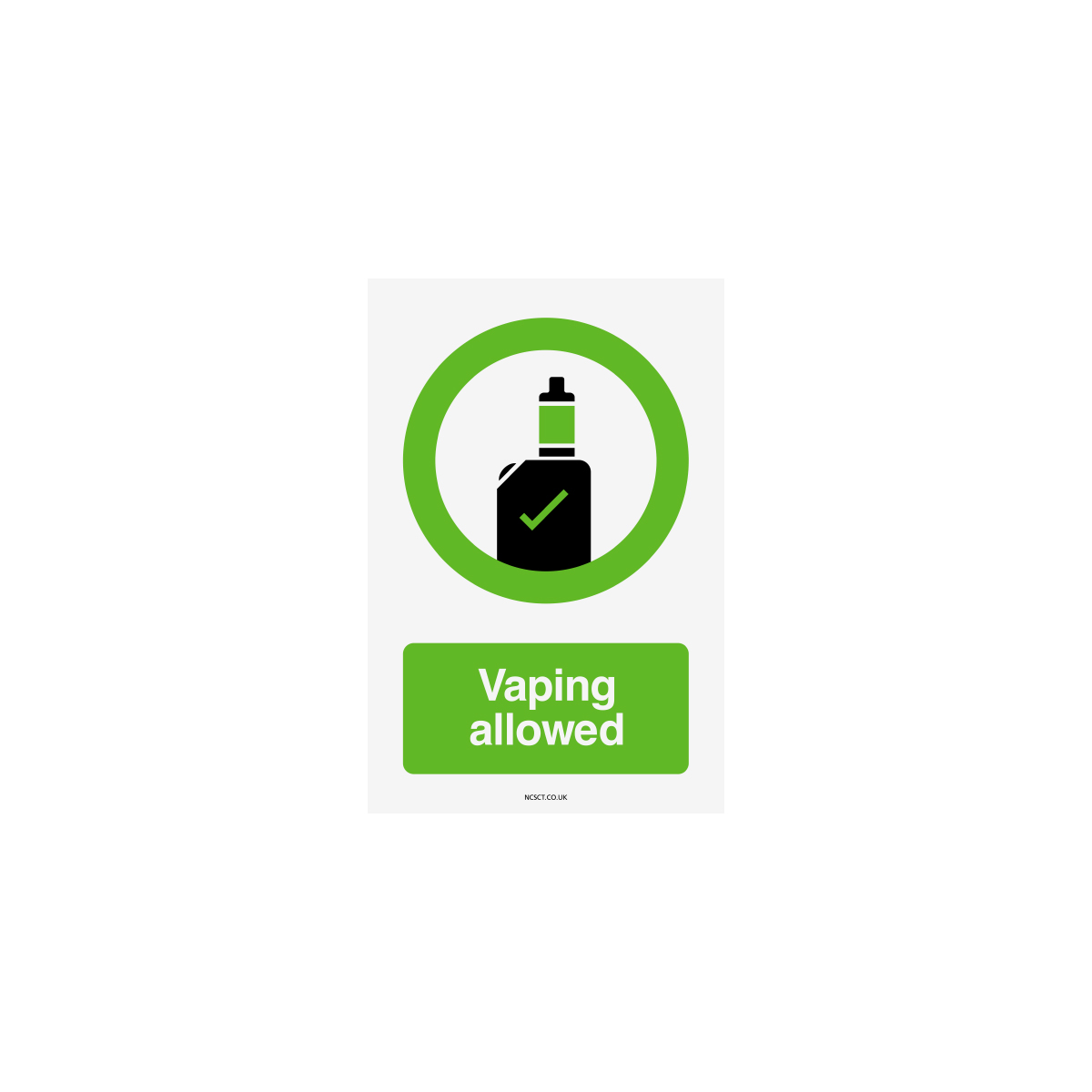
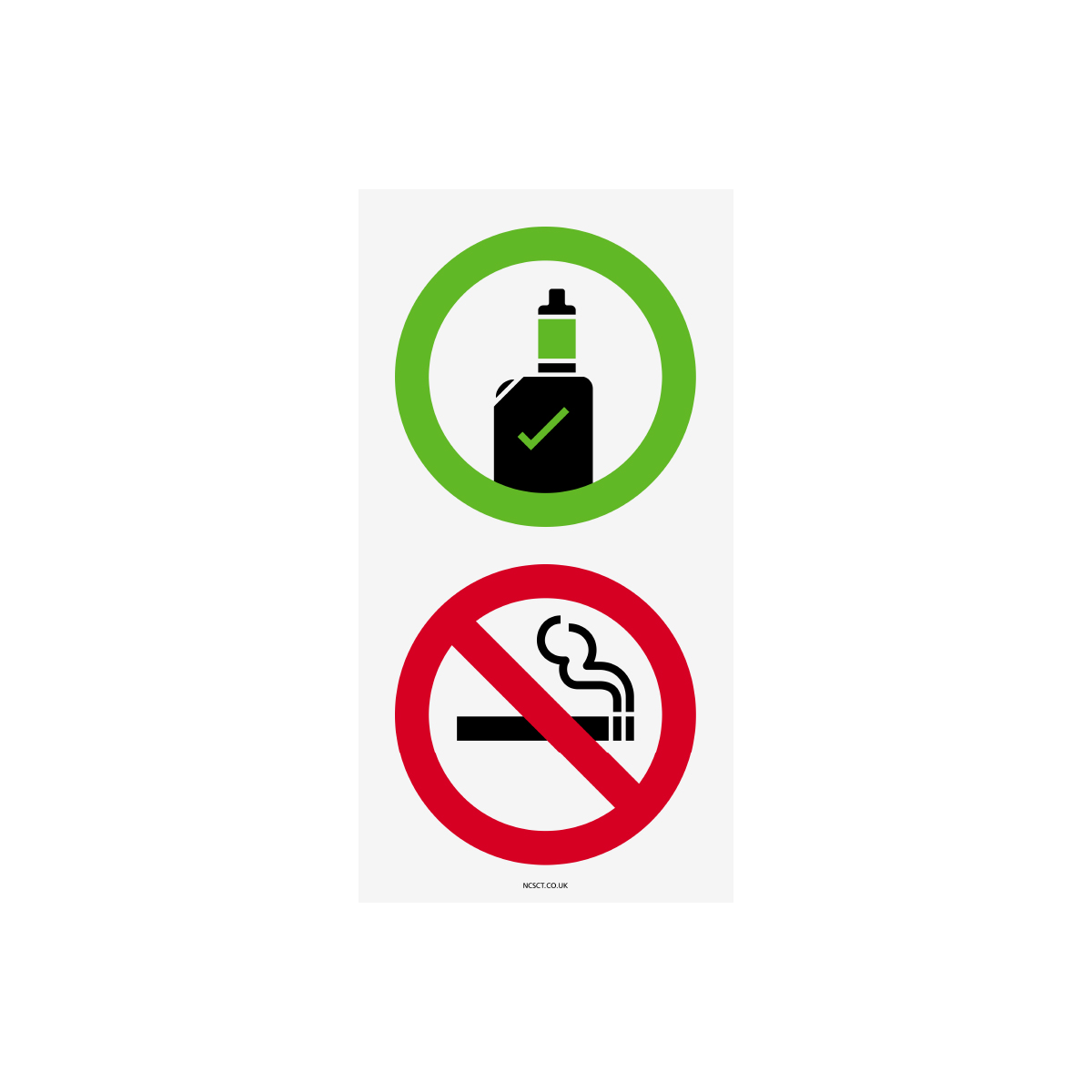
We have calculated the minimum number of clients that practitioners should see each year to maintain their competence.
The number is 20 and this short document provides the rationale for this.
This module is primarily intended for respiratory nurses offering low-dose CT screening for lung cancer to high-risk adults within the context of a Lung Health Check.
This module provides training in patient-centred approaches to communication that aim to reduce anxiety and motivate positive behaviour change in individuals undertaking low-dose CT screening for lung cancer.


Click here for the training module
This two-day virtual course for up to 20 delegates concentrates on the core behaviour change techniques that add the most value to quit attempts, specifically: building rapport, boosting motivation and self-efficacy, use of stop smoking medications, using carbon monoxide monitoring as a motivational tool, the 'not-a-puff' rule and eliciting client commitment.
The course covers the core competences outlined in the NCSCT competency framework for practitioners. Built upon evidence-based behaviour change techniques and informed by best practice, this course leads on to the Tobacco Dependence Treatment: Advanced Training Course where participants develop their skills to deliver flexible, person-centred tobacco dependence support tailored to the needs of individuals.
"Fantastic two-day course! Enjoyable and very informative and I would recommend it to others. I have learned loads, thank you."
If you are interested in commissioning this course for delivery for up to 20 stop smoking practitioners, please contact enquiries@ncsct.co.uk for more information.
This two-day virtual course for up to 20 delegates concentrates on identifying and overcoming barriers to quitting, and on effective behaviour change techniques, to enable participants to develop their skills and confidence in the delivery of quality evidence-based stop smoking interventions to pregnant women.
"I really enjoyed the course, loved the presenters, very approachable. I'm much more confident now. I think it has helped me with my non-pregnant clients too!"
If you are interested in commissioning this course for delivery for up to 20 stop smoking practitioners, please contact enquiries@ncsct.co.uk for more information.
This two-day virtual training course for up to 20 delegates will provide health professionals with the competences (knowledge and skills) to deliver behavioural support for tobacco dependence for people with severe mental illness (SMI). This course is designed for health professionals who will be delivering specialist tobacco dependence treatment to SMI patients in community mental health settings.
"It has been an amazing course. It helped me to enhance my knowledge around both mental health and smoking cessation. Looking forward to implementing them in my practice."
If you are interested in commissioning this course for delivery for up to 20 stop smoking practitioners, please contact enquiries@ncsct.co.uk for more information.
This two-day course is for NHS staff who will be delivering specialist tobacco dependence treatment to patients during admission to hospital. The course is designed to provide both new and experienced Tobacco Dependence Advisers (TDAs) with the knowledge and skills to deliver effective tobacco dependency treatment to support a smokefree admission and smoking cessation following discharge from hospital.
The course will provide participants training in the delivery of the newly published ‘NHS Standard Treatment Plan for Inpatient Tobacco Dependence’ and its associated care bundles.
The course will focus on effective behaviour change techniques and treatment approaches specific to the inpatient setting, including:
This two-day course is for NHS staff who will be delivering specialist tobacco dependence treatment to patients during admission to an inpatient mental health facility.
The course is designed to increase Tobacco Dependence Advisers (TDAs) knowledge, skills and confidence in the delivery of specialist tobacco dependence treatment in the inpatient mental health setting using the latest evidence best practices.
The course will focus on effective behaviour change techniques and treatment approaches specific to the inpatient setting, including:
This document provides clear steps for commissioning, delivering and monitoring effective, evidence-based stop smoking support. This guidance, which replaces the previous document published in 2014, includes evidence updates and current developments in best practice.
This document will undergo a formal annual review and be edited as new policy, research and clinical guidance developments emerge.
Minor review 2.4.24: updated proportion of people who smoke and die because of their smoking (two in three rather than three in four) and cost of smoking (both on page 12), replaced consumption graph with prevalence data (page 13), updated reference 10 (page 46) to 2023, and referred to 'people who smoke' rather than 'smoker' (throughout where possible).
We value your expertise and experience and so please use this feedback form if you have any suggestions, corrections or comments.
Please send your form to enquiries@ncsct.co.uk.
Date updated: March 2024
The Medicines and Healthcare products Regulatory Agency (MHRA) has issued a clarification on directly supplying nicotine replacement therapy (NRT): “Supply of these products by non-medically qualified staff is permitted in medicines legislation. This is subject to the products being pre-packed and supplied from lockable premises.”
This means that, whilst staff who are not clinically registered can provide a direct supply of NRT, unfortunately they can’t do it in people’s homes. This briefing gives further guidance.
Date of last update: September 2025
Fully updated competency framework for tobacco dependence treatment of inpatients of acute hospitals to reflect new terminology and the launch of the complete set of NHSE training resources.
This document summarises best practice and provides key messages for tobacco dependence treatment in inpatient settings.
These key messages were developed by national experts to assist with standardising the way we describe and treat tobacco dependence in the inpatient setting across trusts, and among partner organisations. The primary audience for these key messages is NHS trust leadership, clinical staff, and the trust tobacco dependence team. The key messages may also be useful for trust communications teams.
This NHS Standard Treatment Plan (STP) for Inpatient Tobacco Dependence provides guidance to support delivery of the Inpatient Tobacco Dependence Treatment Care Bundles.
The STP is designed to ensure patients receive a consistent and evidence-based tobacco dependence support that provides them with the best possible chance of having a smokefree hospital admission and a goal of long-term abstinence.
The STP is structured around the three Tobacco Dependence Treatment Care Bundles:
This NHS Standard Treatment Plan (STP) for Inpatient Tobacco Dependence in Mental Health Hospitals provides guidance to support delivery of the Inpatient Tobacco Dependence Treatment Care Bundles.
The STP is designed to ensure patients receive a consistent and evidence-based tobacco dependence support that provides them with the best possible chance of having a smokefree hospital admission to a mental health hospital and a goal of long-term abstinence.
The STP is structured around the three Tobacco Dependence Treatment Care Bundles:
This training will support TDAs to have confidence in delivering the core competences (knowledge and skills) needed for inpatient tobacco treatment delivery. The course materials support delivery of the newly published NHS-NCSCT Standard Treatment Plan for Inpatient Tobacco Dependence .
Target audience
Course materials are designed for the training of NHS TDAs. The training is also suitable for other health care professionals who will be delivering specialist tobacco dependence treatment to patients admitted to an acute trust.
About the training materials
Training materials have been designed for both virtual (via Zoom, Teams) or face-to-face delivery. Course content is also available in modular format so that localities can tailor training delivery to meet local needs.
The training suite includes all the necessary resources for delivering a two-day training course, including:
This page contains a comprehensive set of resources for trainers to support local course delivery. Resources include trainer's guides, key messages for trainers, presenter's notes, course checklists and all training support materials.
Training can be delivered online (via Teams or Zoom) or face-to-face. The trainer’s guides provide instruction on how training may be modified for each delivery format.
Training resources
The comprehensive suite of training resources have been divided into sections and are contained in folders that you can download by clicking the link below each section.
Course materials
The following resources for trainers are contained within the folder in the link below:
This page includes resources to support local evaluation of the inpatient tobacco dependence advisor training course. This includes pre-and post-course questionnaires, a trainer feedback form, and a template course report.
All groups delivering local training should ensure that course evaluations are completed using these tools. Course evaluations are important for assessing how well the training has met the learning needs of trainees. Having a common approach to course evaluation allows us to gain learning and insights that can inform improvements and updates to the suite of training materials.
Course evaluation resources
The following resources for course evaluation are contained within the folder in the link below:
The two-day training course materials have been divided into individual modules to allow flexible delivery. The training modules vary from 10 to 40 minutes in length and cover specific topics and skills. Some modules may also be used when training other NHS staff.
We have included a training guide and all the necessary training resources to deliver each individual module.
Modules are contained in folders that you can download by clicking the link below each module section.
Training module overview
The following Training module overview is contained within the folder below
These suite of training materials were produced by NHS England and the NCSCT, with the support of the Expert Task Group below without whom we could not have produced these high-quality resources.
Authorship Group Members
Melanie Perry, NCSCT Inpatient Tobacco Dependence Consultant
Dr Sophia Papadakis, NCSCT Academic and Health System Consultant
Susan Montgomery, NCSCT Lead Trainer
Dr Andy McEwen, NCSCT Chief Executive
Tom Coleman-Haynes, NCSCT Training Coordinator
Expert Task Group Members
Arran Woodhouse, Lead Tobacco Dependence Specialist, King’s College Hospital NHS Foundation Trust
Professor Matt Evison, Consultant Chest Physician, Specialty Lead, Lung Cancer & Thoracic Surgery Directorate, Wythenshawe Hospital, Manchester University NHS Foundation Trust
Associate Medical Director, Greater Manchester Cancer
Clinical Lead, Make Smoking History, Greater Manchester Regional Tobacco Control Programme, NHS Greater Manchester
Dr. Ruth Sharrock, Consultant Respiratory Physician, Gateshead Health NHS Foundation Trust and Clinical Lead for Tobacco Dependence for the North East & North Cumbria
Caitlin Robison, Smokefree NHS Project Manager, Gateshead NHS Health Foundation Trust
NHS England Prevention Team
Paul Cillia LaCorte, Senior Programme Manager - Prevention
Heidi Croucher, NHS Clinical Consultant and Programme Manager, Public Health Dorset, Dorset ICS
Hanna Ellison, Manager, Programme Manager, Tobacco Prevention Team, Medical Directorate
Bea Petrovica, Programme Delivery Manager, Prevention Programme – Tobacco Medical Directorate
Professor Sanjay Agrawal, National Specialty Adviser for Tobacco Dependency
This training will support TDAs to have confidence in delivering the core competences (knowledge and skills) needed for inpatient tobacco treatment delivery. The course materials support delivery of the newly published NHS-NCSCT Standard Treatment Plan for Inpatient Tobacco Dependence.
Target audience
Course materials are designed for the training of NHS TDAs working with inpatients who smoke in mental health trusts or on mental health wards. The training is also suitable for other health care professionals who will be delivering specialist tobacco dependence treatment to patients admitted to a mental health hospital.
About the training materials
Training materials have been designed for both virtual (via Zoom, Teams) or face-to-face delivery. Course content is also available in modular format so that localities can tailor training delivery to meet local needs.
The training suite includes all the necessary resources for delivering a two-day training course, including:
This page includes resources to support local evaluation of the Tobacco Dependence Adviser training course for inpatient mental health. This includes pre- and post-course questionnaires, a trainer feedback form, and a template course report.
All groups delivering local training should ensure that course evaluations are completed using these tools. Course evaluations are important for assessing how well the training has met the learning needs of trainees. Having a common approach to course evaluation allows us to gain learning and insights that can inform improvements and updates to the suite of training materials.
Course evaluation resources
The following materials to support course evaluation are available in the folder:
This page contains a comprehensive set of resources for trainers to support local course delivery. Materials include trainer guides for virtual course delivery, key messages for trainers, presenter notes, course checklists and all the training support materials needed to deliver this course.
Training can be delivered online (Teams or Zoom) or face-to-face. The trainer’s guides provide instruction on how training may be modified for each delivery format.
Training resources
The comprehensive suite of training resources have been divided into sections and are contained in folders that you can download by clicking the link below each section.
Course materials
The following resources for trainers are contained within the folder in the link below:
The two-day training course materials have been divided into individual modules to allow flexible delivery. The training modules vary from 10 to 40 minutes in length and cover specific topics and skills. Some modules may also be used when training other NHS staff.
We have included a training guide and all the necessary training resources to deliver each individual module.
Modules are contained in folders that you can download by clicking the link below each module section.
Training module overview
The following Training module overview is contained within the folder below
These training materials were produced by NHS England and the NCSCT with the support of the Expert Task Group listed below without whom we could not have produced these high-quality resources.
Authorship Group
Mary Yates, Expert Mental Health Consultant
Dr Debra Robson, Mental Health Expert Consultant and Senior Lecturer in Tobacco Harm Reduction, National Addiction Centre, Addictions Department, King’s College London
Dr Sophia Papadakis, NCSCT Academic and Health System Consultant
Melanie Perry, NCSCT Inpatient Tobacco Dependence Consultant
Susan Montgomery, NCSCT Lead Trainer
Dr Andy McEwen, NCSCT Chief Executive
Tom Coleman-Haynes, NCSCT Training Coordinator
Expert Task Group Members
Kerry Apedaile, Specialist Tobacco Dependence Service Lead, Cumbria, Northumberland, Tyne & Wear NHS Foundation Trust
Raf Hamazia, Expert by Experience Lead
Moira Leahy, Consultant Clinical Psychologist, Sheffield Health and Social Care NHS Foundation Trust
Martin Lever, Tobacco Reduction Programme Manager
Helen Philips, Drug Alcohol and Smokefree Lead, Mental Health Inpatients, Berkshire Healthcare Foundation Trust
Pete Stewart, Healthy Hospital and Community Programme Manager
QUIT Team, Sheffield Health and Social Care NHS Foundation Trust
Tracy Sutton, Acute MH LTP Lead and Service Manager, Blackpool NHS Foundation Trust
NHS England Prevention Team
Paul Cillia LaCorte, Senior Programme Manager - Prevention
Hanna Ellison, Manager, Programme Manager, Tobacco Prevention Team, Medical Directorate
Bea Petrovica, Programme Delivery Manager, Prevention Programme – Tobacco Medical Directorate
Heidi Croucher, NHS Clinical Consultant and Programme Manager, Public Health Dorset, Dorset ICS
In response to an enquiry from a patient, we asked manufacturers of nicotine replacement therapy (NRT) available in the UK to provide information on whether their products have been tested on animals.
This briefing includes their responses about the products they manufacture.
Date of last review: September 2025
This briefing answers a question we are often asked: which NRT products are licensed for use by young people under 18 years of age?
NRT can be considered safe and effective for young people aged 12–17, but the evidence isn't as strong as for adults because there simply hasn't been as much research carried out on this age group. The recommendation for use of NRT by young people aged 12–17 differs by manufacturer and product, and this briefing summarises this information.
Date of last review: March 2026
The NHS Specialist Pharmacy Service (SPS) has developed a Patient Group Direction (PGD) as a template for you to develop your own local PGD.
This link will take you to the Specialist Pharmacy Service PGD page so that, if the PGD is ever updated, you will have the most up-to-date version: Varenicline for smoking cessation – Specialist Pharmacy Service – The first stop for professional medicines advice.
NCSCT consultants have experience in the development and implementation of a PGD for varenicline. If you would like some advice, please contact enquiries@ncsct.co.uk.
Treating tobacco dependence is now a standard of care for patients admitted overnight to an NHS acute trust.
These two films commissioned by NHS England are designed to support and promote the NHS Acute Inpatient Tobacco Dependence Pathway. The films feature experts speaking about why it is important to treat tobacco dependence as a clinical priority and what support should be provided at the time of admission.
Treating Tobacco Dependence in Acute Hospitals (short)
Treating tobacco dependence is a now a standard of care in all NHS mental health hospitals.
These two films commissioned by NHS England are designed to support and promote the NHS Inpatient Tobacco Dependence Pathway in Mental Health Hospitals. The films feature patients and experts speaking about why it is important to treat tobacco dependence as a priority in all patients admitted to a mental health hospital.
Treating Tobacco Dependence or people in Mental Health Hospitals (short)
These resources are designed to complement our online Swap-to-Stop training module.
The Swap-to-Stop briefing summarises the Swap-to-Stop scheme with case studies from organisations who have implemented it. Date of last review: September 2025.
Swap-to-Stop: a memory jogger lays out the main components of Very Brief Advice on Smoking (VBA+) as it relates to the scheme, and includes typical questions from clients and suggested answers. Date of last review: September 2025
Below are links to additional resources to support the delivery of the Swap-to-Stop scheme:
This briefing contains a checklist of actions for services to undertake to ensure the availability of generic varenicline and/or Champix to clients and patients, a refresher on varenicline and links to further resources.
Date of last review: June 2026
The aim of this review was to investigate the comparative benefits, harms and tolerability of different smoking cessation pharmacotherapies and e-cigarettes, when used to help people stop smoking tobacco.
Click below to access the review.
Pharmacological and electronic cigarette interventions for smoking in adults: component network meta-analyses
This review looked at whether there were ways to improve stop-smoking treatment in primary care to help more people to quit smoking.
Click on link below to access review.
Are there ways to improve stop-smoking treatment in primary care to help more people to quit smoking?
Informed by the Local Stop Smoking Services and support: commissioning, delivery and monitoring guidance and a review of evidence and best practice, this briefing aims to assist with planning and delivery to maximise the reach and impact of Local Stop Smoking Services.
The guidance is founded upon four principles that underpin all service development and delivery:
Transfer of Care: a solution for everyone
This briefing provides clarification on spontaneous quitters, and of transfer of care to Local Stop Smoking Services following tobacco dependence treatment in hospitals, prisons and treatment centres.
It is based on the 2024 publication of the Local Stop Smoking Services and support: commissioning, delivery and monitoring guidance.
This briefing replaces Spontaneous quitters: clarification of the 48-hour rule (2019) and Spontaneous quitters and the NHS Long Term Plan: clarification of the 48-hour rule (2022).
Date of last review: November 2025
This briefing summarises the patterns and prevalence of smoking by young people, the impact of smoking tobacco upon their physical, mental and social health, and the benefits of cessation. The focus of this document is on providing guidance on how to assist young people to stop smoking.
Published August 2025. Last update August 2025. Next review due August 2026.
NEW!
This briefing:
On this page we link to useful resources related to young people and stopping smoking.
NEW! Young people and stopping smoking training materials
We have developed materials for a short (1–2 hours) training session aimed at staff who already work with young people (e.g. school nurses, teachers, youth workers, staff in children’s services).
The course will enable participants to have constructive conversations about stopping smoking and to offer support to young people who want to stop smoking. The training materials include:
These resources are designed to complement our National Smoke-Free Pregnancy Incentive Scheme (NSPIS) online training module: Click here for the training module
In 2024 the Department of Health and Social Care launched the National Smoke-Free Pregnancy Incentive Scheme (NSPIS). The NSPIS briefing below summarises the NSPIS scheme with case studies from organisations who have implemented stop smoking pregnancy incentive schemes.
NSPIS: a memory jogger lays out the main components of incorporating discussion about the NSPIS into Very Brief Advice on Smoking (VBA) and stop smoking interventions with pregnant women.
Date of last review: March 2026
The NHS Specialist Pharmacy Services (SPS) has developed a Patient Group Direction (PGD) as a template for you to develop your own local PGD.
This link will take you to the Specialist Pharmacy Services PGD page so that, if the PGD is ever updated, you will have the most up to date version: Cytisinicline for smoking cessation – SPS - Specialist Pharmacy Service – The first stop for professional medicines advice
The NCSCT is committed to supporting the delivery of effective evidence-based smoking cessation interventions and this includes nicotine vaping.
The position statement on nicotine vaping has been developed following publication of the Nicotine vaping in England 2022 evidence update and should be read in conjunction with:
The Cessation of Smoking Trial in the Emergency Department (COSTED) trial was a major randomised controlled trial, funded by the National Institute for Health Research, to definitively test the COSTED intervention. It demonstrated that the intervention was effective at supporting people to switch away from smoking tobacco.
The COSTED intervention includes:
On this page we link to useful resources related to young people and stopping vaping.
NEW! Young people and stopping vaping training materials
We have developed materials for a short (1–2 hours) training session aimed at staff who already work with young people (e.g. school nurses, teachers, youth workers, staff in children’s services).
The course will enable participants to have constructive conversations about stopping vaping and to offer support to young people who want to stop vaping. The training materials include:
The guiding principles and best practice recommendations in this briefing have been drawn from published literature and clinical experience. They are designed to maximise opportunities, overcome barriers and meet the challenges encountered by people with severe mental illness (SMI) who smoke.
Supporting people with SMI to manage their tobacco dependence offers significant benefits, especially when individuals stop smoking long term. Although just as likely to want to stop smoking as people who do not have SMI, this patient group typically faces significant barriers and challenges to stopping.
This document is intended to support services to adapt, and practitioners to tailor, stop smoking support to improve outcomes for individuals with SMI.
Case studies: how some areas have developed support for young people wanting to stop smoking
Interestingly, we came across far fewer case studies for young people and stopping smoking than we did for young people and stopping vaping. We will continue to look out for and include on this page various examples of both individual case studies and service innovations about support to stop for young people who are smoking.
There is generally no formal evaluation of these services, and we include them purely as examples, not as recommendations. In fact, given the absence of evidence on young people and stopping smoking, we suggest that any innovation should also include evaluation.
We are interested to hear how you are supporting young people wanting to stop smoking. You can submit a case study on individual clients, or on your service response using the templates below. Please ensure any client details are anonymised and permission sought from clients to share their story. Submit it to kirstie.soar@ncsct.co.uk for consideration.
Young people and stopping smoking: Client case study
Young people and stopping smoking: Service delivery
These selected case studies provide examples of how some areas have responded to concerns about young people and vaping
This section includes various examples of both individual case studies and service innovations, generally in response to local concerns and demand for support to stop for young people who are vaping.
There is generally no formal evaluation of these services, and we include them purely as examples, not as recommendations. Given the absence of evidence on young people and stopping vaping, we suggest that any innovation should also include evaluation.
We are interested to hear how you are supporting young people wanting to stop vaping. You can submit a case study on individual clients, or on your service response using the templates below. Please ensure any client details are anonymised and permission sought from clients to share their story. Submit it to kirstie.soar@ncsct.co.uk for consideration.
Young people and stopping vaping: Individual case study
Young people and stopping vaping: Service delivery
Mission statement
We will support local stop smoking services to understand the more complex needs of priority groups and adapt, so stop smoking practitioners along with other health and social care professionals, can provide effective and tailored support to individuals trying to stop.
Who we are and why we are doing this
The collaborative of fifteen local authorities within Humber and North Yorkshire, West Yorkshire and South Yorkshire NHS Integrated Care Boards are joined by the National Centre for Smoking Cessation and Training (NCSCT).
As a collaborative we will work with commissioners and providers of services to:
We will use this page to update partners on how the Workforce Development Programme is progressing, and reference any publications that have been produced during the programme.
April 2026
This briefing refers to both the generic versions and the proprietary Champix and uses varenicline as an example of what is needed to make stop smoking medications locally available to people who smoke and who want to stop, including implementing a Patient Group Direction (PGD).
Version 2. Updated July 2025.
This short film from Pfizer sees Medical Director Seema Patel explain why supply of Champix was paused and what has changed to make it available again. Follow the link below to view the film.
Link to film: Reintroducing Champix to the UK: Useful Information for Healthcare Professionals
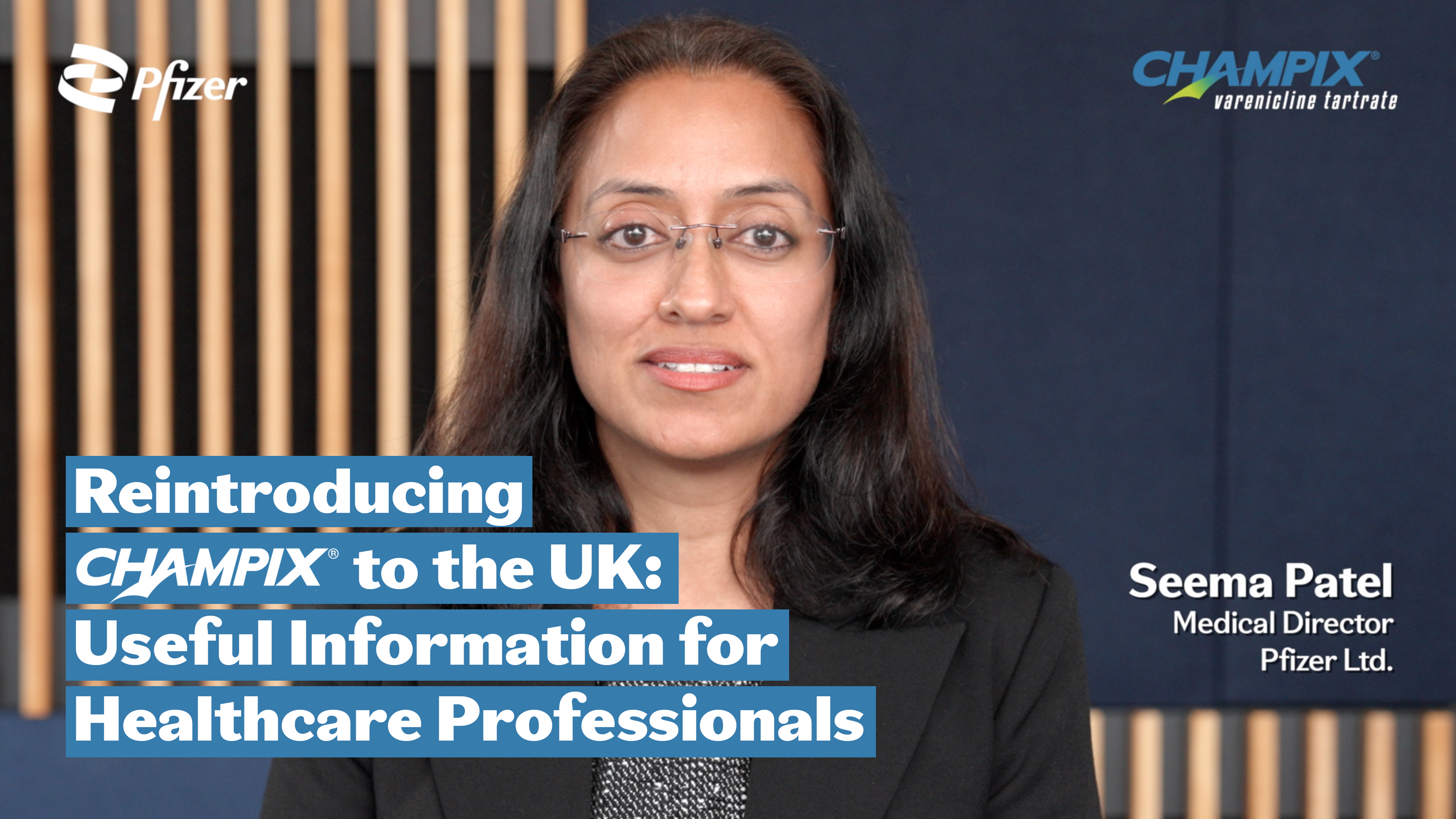
This page hosts reports, briefings and documents produced as part of the Yorkshire and Humber Workforce Development Programme.
The protocol outlines the use of NRT for the treatment of tobacco dependence and reflects latest evidence-based practice and national guidance.
This template document can be downloaded below and modified by LSSS to reflect local service provision.
Template protocol: Supply of Nicotine Replacement Therapy (NRT) for the treatment of tobacco dependence
This briefing offers essential advice on the safe use of oxygen in the home, focusing on the dangers associated with cigarettes and to a lesser extent nicotine vapes, and offering practical strategies to minimise risk.
Cut Down to Stop (CDTS) is becoming a treatment option for smoking cessation within local stop smoking services, especially for those people more dependent upon smoking and/or facing multiple challenges when quitting.
This page hosts a number of CDTS resources to support local stop smoking service leads and commissioners, managers, practitioners and clients.
CDTS briefing
This briefing includes information about the CDTS evidence base, role of CDTS within stop smoking services, key recommendations for implementation, quality standards and performance management measures.
CDTS Treatment Programme
The CDTS treatment programme provides guidance on how to support people who do not feel able to stop smoking abruptly, but who are willing to engage with a programme to gradually reduce and then stop smoking completely.
CDTS client workbook
The CDTS treatment programme describes how to use this CDTS smoking client resource. This resource was developed by colleagues at the University of York as part of the Smoking Cessation Intervention for People with Severe Mental Ill Health (SCIMITAR+) Trial and has been adapted with their kind permission.
We recommend using a printed version during consultations so that both you and the client can make notes and add information directly to the plan. The document is flexible: it can be printed in its entirety or as individual pages for use in specific sessions.
CDTS training
It is recommended that practitioners receive training and support to deliver CDTS interventions as outlined in the NCSCT Competency framework for stop smoking practitioners.
The NCSCT in partnership with Breathe, a collaboration of fifteen local authorities across Humber and North Yorkshire, West Yorkshire and South Yorkshire NHS Integrated Care Boards, has developed a suite of advanced practice training for tobacco leads/commissioners, service managers and stop smoking practitioners on maximising the impact of stop smoking services and targeting and tailoring tobacco dependence treatment for people who smoke, particularly people in priority groups.
These courses include training on CDTS interventions and are available to commission now. Please contact enquiries@ncsct.co.uk for more information.
We are working with Dr Claire Nolan and colleagues from London Brunel University to adapt, develop and test the effectiveness of an online training module on Very Brief Advice for Pulmonary Rehabilitation (VBA-PR).
This study is funded by the NIHR Dr. Claire Nolan, Advanced Clinical Academic Fellowship (Award ID: NIHR303175)] The views expressed are those of the author(s) and not necessarily those of the NIHR or the Department of Health and Social Care.
As part of this project we have produced this short film to inform patients about what Pulmonary Rehabilitation involves.
Our NEW two-day Tobacco Dependence Treatment: Advanced Training Course provides training for stop smoking practitioners in tailoring tobacco dependence treatment for people who smoke, particularly people in priority groups.
"Really enjoyable course. It remained interesting, engaging and interactive despite being an online course. Thank you to all involved."
The course covers the advanced competences outlined in the NCSCT competency framework for stop smoking practitioners. Built upon evidence-based behaviour change techniques and informed by best practice, this course builds on stop smoking practitioner core competences. Participants will develop their skills to support the delivery of flexible, person-centred tobacco dependence support tailored to the needs of individuals. A summary of the details of the course can be found below.
"This was the most enjoyable course I have attended, it was so informative and the course facilitators were amazing at what they do. They made us feel that we made a difference to people’s lives and the course handouts and group work was amazing."
This new course has been delivered to over seventy stop smoking practitioners. The course evaluations indicate a significant increase in practitioner confidence in the delivery of advanced tobacco treatment behaviour change techniques.
NEW! Tobacco lead and commissioner training
This course for local authority tobacco leads and commissioners will increase participants’ knowledge, skills and confidence in the organisation and commissioning of stop smoking services and aims to drive quality improvement, maximise service impact and contribute to reducing the rates of tobacco use, particularly among people in priority groups.
A summary of the course is available below. Course duration is one day, completed over two half days.
"Very informative, the sections on data and treatments were really interesting and helpful as we're redesigning our service."
If you are interested in commissioning this course for delivery for up to 20 tobacco leads and commissioners, please contact enquiries@ncsct.co.uk for more information.
NEW! Local stop smoking service manager training course
This course offers local authority stop smoking service managers with the latest evidence and best practices for the targeting and tailoring stop smoking service support to meet the specific needs of people who smoke, particularly those in priority groups
A summary of the course is available below. Course duration is one day, completed over two half days.
"Very enjoyable and thought provoking. It's really helpful to listen to the evidence especially around the use of medications. It was also great to hear what other services are offering and lots of ideas and good practice and thinking about how these could be implemented into our service."
If you are interested in commissioning this course for delivery for up to 20 service managers, please contact enquiries@ncsct.co.uk for more information.
The competency framework identifies the core and advanced competences required for the delivery of stop smoking support.
The competency framework updates the NCSCT Training Standard and addresses new skills for delivering tailored, person-centred support with a focus on priority groups and people with additional needs.
This competency framework is adapted from the framework developed as part of a collaboration between fifteen local authorities within Humber and North Yorkshire, West Yorkshire and South Yorkshire NHS Integrated Care Boards (Breathe), and the NCSCT.
Last updated: August 2025
This 2026 review provides strong evidence that investing in training healthcare professionals in evidence-based smoking cessation interventions leads to measurable improvements in patient quit outcomes.
The review looked at brief forms of training such as VBA+ and higher intensity training. The reviews main findings include:
This NEW service from the NCSCT aims to support organisations to make prescription stop smoking aids (cytisinicline and varenicline) available and accessible to people who smoke.
Led by Clinical Consultant Lou Ross the NCSCT team can offer consultancy and access to resources to individual local authorities and NHS trusts to facilitate provision of these effective and cost-effective life-saving medications. See below for more details.
This is, initially, a six-month project part-funded by a donation granted by Viatris, an international pharmaceutical company specialised in the manufacturing, packaging and marketing of Belnifrem (cytisinicline). This financial donation is the extent of the involvement in this project by Viatris.
Start date: March 24th 2026.
For support, please contact NCSCT Clinical Consultant Lou Ross lou.ross@ncsct.co.uk
You can also call us on 01305 755 828 or you can email us at: enquiries@ncsct.co.uk
People from priority groups often face complex challenges including chronic stress, and trauma. Many live and work in environments where smoking is commonplace, and some can be more tobacco dependant than the general population of people who smoke. All of which increase the challenges people from priority groups face when stopping smoking.
This briefing consolidates current knowledge regarding key considerations, principles and good practice for tailoring stop smoking support to meet the needs of national priority groups to increase engagement (reach) and rates of successful quitting (effectiveness).
Priority Groups: Good practice for targeting and tailoring tobacco dependence treatment
Some of the many people using nicotine vape wish to stop vaping and are approaching local stop smoking services, and other health and social care professionals, for support.
There is not much research on what can help with stopping vaping. But we have drawn on the limited evidence that is available on vaping cessation, along with best clinical practice and expert opinion to write this important guidance.
Support and treatment for dependence on nicotine vapes
SASIT is a tool commissioned by the Department of Health and Social Care (DHSC), as part of the conditions of the Public Health Grant, to support local authority Stop Smoking Services benchmark activity, ensure a minimum standard of service and identify areas for improvement. The tool and supporting resources can be downloaded from this page.
All local authorities are encouraged to use the tool as part of ongoing service improvement, however any area achieving less than 5% of their local smoking population who set a quit date must submit a completed self-assessment to DHSC within the financial year.
SASIT toolkit